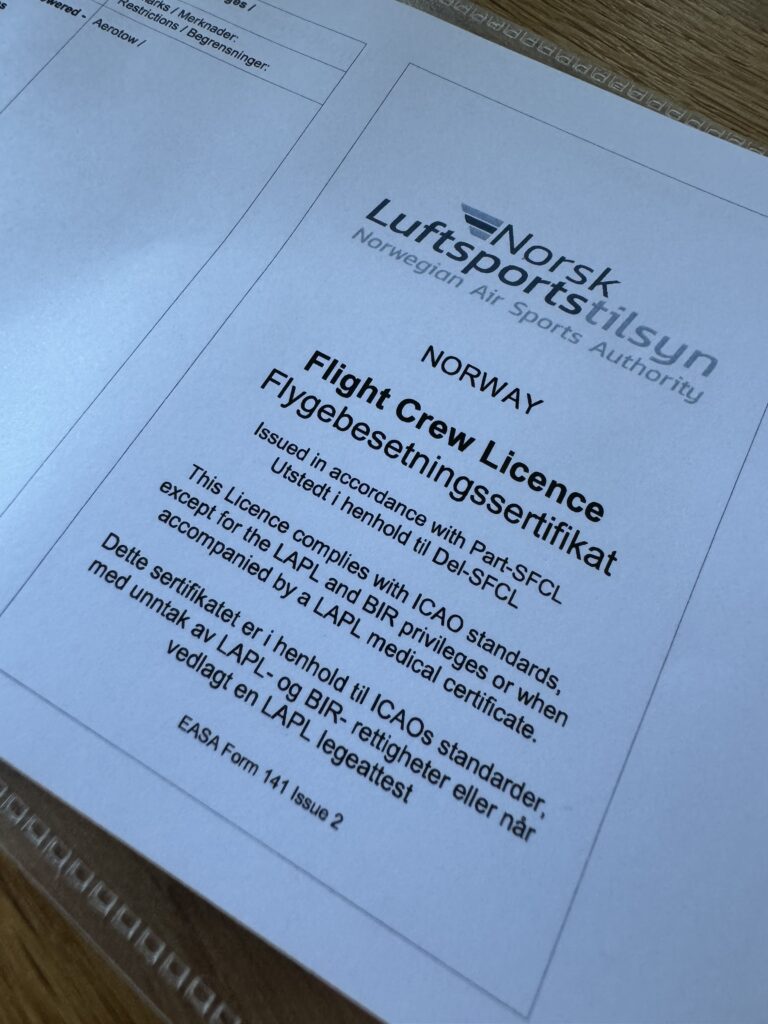

In December 2020, the United Kingdom left the European Union Aviation Safety Agency (EASA). If you were lucky enough to hold an SPL before this date, you enjoyed the privilege of flying in all EASA member states.
Opinions on this move by the UK Government were mixed. Some celebrated the change, while others (particularly those training) were left dismayed by it. Like every major decision, it came with both pros and cons. UK aviation law can now diverge from EASA regulations where bureaucracy previously slowed change, and this has allowed the introduction of the BI(S) rating as a stepping stone for instructors before progressing to FI(S).
The biggest downside, however, was that the UK SPL became less international. Overnight, the licence went from being fully recognised in 31 countries to effectively just one.
There’s a common belief that the SPL is an internationally recognised ICAO licence—and it is—but there are a few important gotchas that mean it’s not quite the global passport to flying that many people assume.
Many countries will recognise your licence for conversion purposes, or allow you to fly your own glider abroad on your home licence and medical. What it won’t allow you to do is fly an aircraft registered in that country.
On holiday in France and fancy a solo flight? Given you’ve logged 100 hours in the club Pégase back in the UK, this shouldn’t be a problem right? Unfortunately, if the registration starts with an “F” instead of a “G”, you’re out of luck.
If you travel to the continent frequently, and want the flexibility to hop into an EASA glider and fly as PIC, you’ll need to regain an EASA SPL.
I went through this process in the summer of 2025, and below I’ll explain how you can do it too.
What do I need to do?
To gain an EASA SPL you’ll need a minimum of 100 hours (total time) and to do the following:
- Choose an Authority & Club
- Obtain an EASA Medical
- Sit two theory exams
- Human Performance
- Airlaw
- Sit a skills test with an examiner from that country
1. Choosing an Authority & Club
The first step in (re)gaining an EASA SPL is deciding where to do it.
I initially looked into Ireland, as I hold Irish citizenship, but found the timelines long and the IAA inflexible. They require exams to be sat in Dublin on infrequent, fixed dates—and they also retain your logbook during the process.
I then considered France. I speak French, so I contacted DGAC—but non. DGAC were even more difficult to deal with, and for a non-French speaker, the language barrier, administration, and bureaucracy would likely be overwhelming.
Eventually, I spoke to a friend in Norway about my frustrations. He contacted the CFI of his club, who simply said: “Come here and we’ll get it done in a weekend.”
That sealed it—I chose Norway as my authority. Their equivalent of the BGA is Norges Luftsportforbund (NLF), which manages the process between you and the Norwegian CAA. Sound familiar?
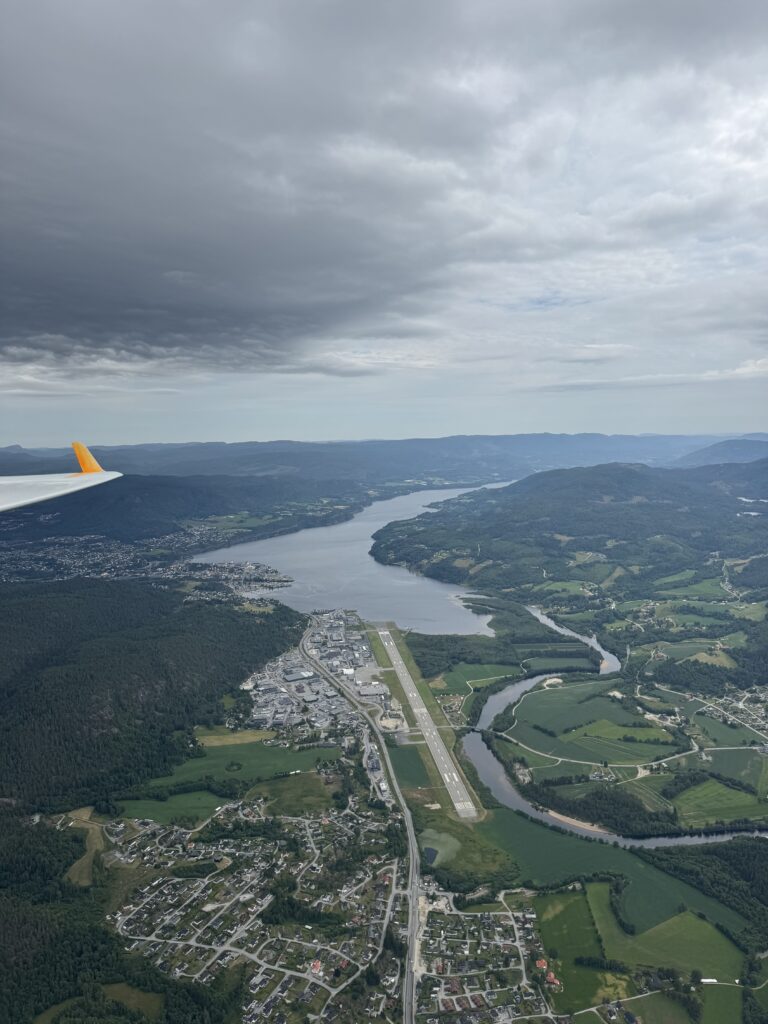
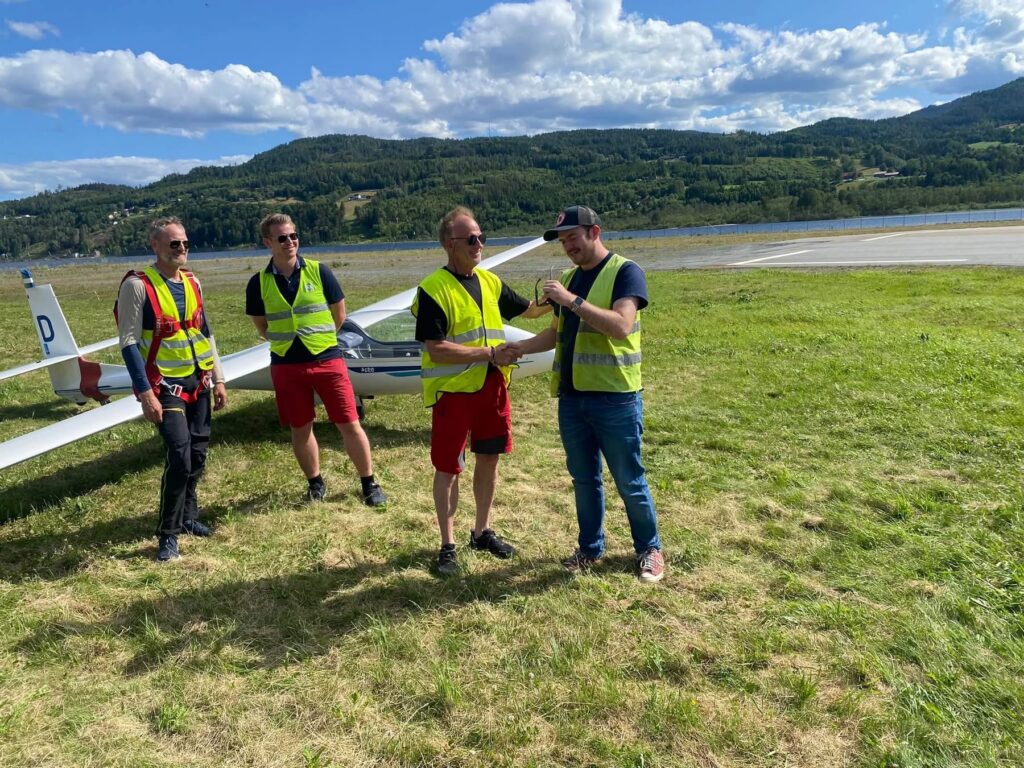
It’s really important to choose an authority and contact a club to see if they’re willing to go through this process with you. For me, that was Notodden og Sandefjord Seilflyklubb based at Notodden airport, in beautiful Telemark.
2. Obtain an EASA Medical
This part was relatively straightforward, and you have two options:
- Book an appointment with a doctor in your chosen EASA country and obtain a LAPL medical
- Find a UK AME who can issue EASA medicals
Since I already held a UK Class 2 medical, I opted for the second option. As luck would have it, my AME was able to issue EASA medicals as well.
Here’s another gotcha: your EASA medical and your EASA licence must be issued by the same authority. I wanted a Norwegian licence, but my AME was Maltese.
Thankfully, this was easier to resolve than expected.
My AME simply requested a reference number from Norway, conducted the medical, and voilà—I had a Norwegian Class 2 medical… printed on Transport Malta paperwork.
3. Sit Two Theory Exams
With the medical sorted, flights booked, and bags packed, I headed to Norway.
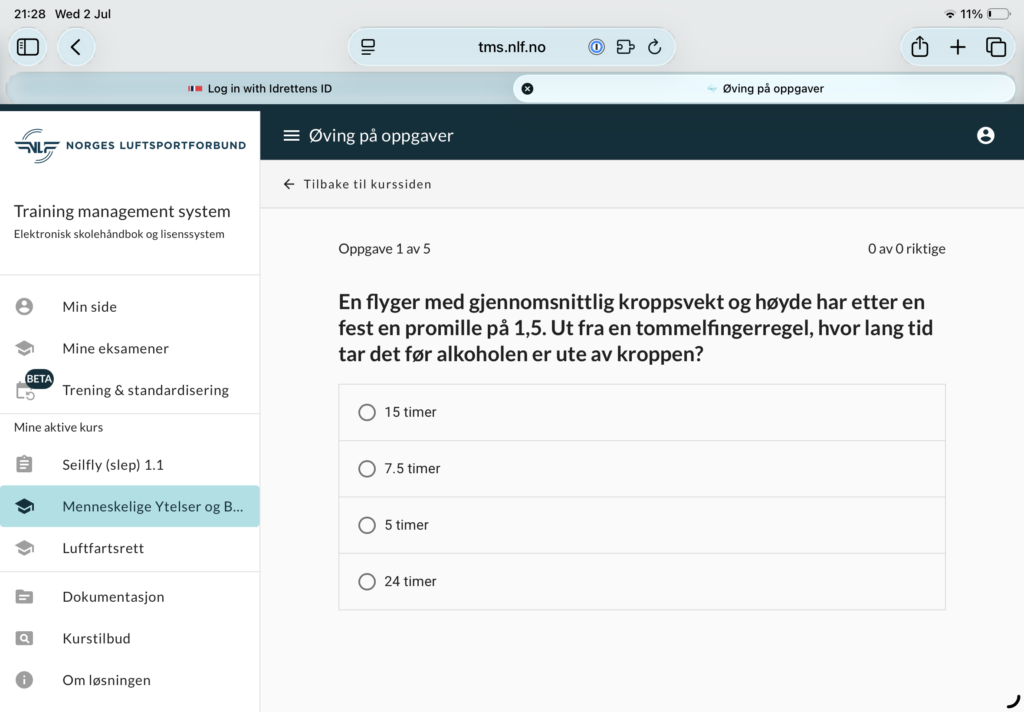
Norway uses an excellent system called TMS (Training Management System), which allowed me to sit the exams at the club under examiner supervision.
The exams are conducted in the language of the country, so mine were in Norwegian. Thankfully, I was allowed to use Google Lens to translate the questions into English, and it worked surprisingly well. I didn’t lose any marks due to mistranslation.
This stage of the process varies hugely by country.
In Norway, everything is online and available on demand via TMS. In contrast, countries like Ireland require exams to be sat in a specific location at a specific time.
Before committing, check with the authority—or better yet, a local gliding club—to understand how exams are handled.
4. Sit a Skills Test (again!)
This was the easy part. You fly with an examiner who asks you to demonstrate the usual manoeuvres, much like your original UK skills test.
There were a couple of differences for me. Descending on tow wasn’t part of the UK syllabus at the time, so having the tug suddenly get closer was… memorable. Since the UK SPL syllabus changes came into effect in September 2025, the UK and EASA syllabi are now identical.
Conclusion
That’s it! Once you’ve sat Air Law, Human Performance, and your skills test, you just have the joy of paperwork to do before receiving your new EASA SPL.
Congratulations – you can now fly as pilot-in-command in all 31 EASA member states!